How Players Can Recognize Patterns Before Making Moves
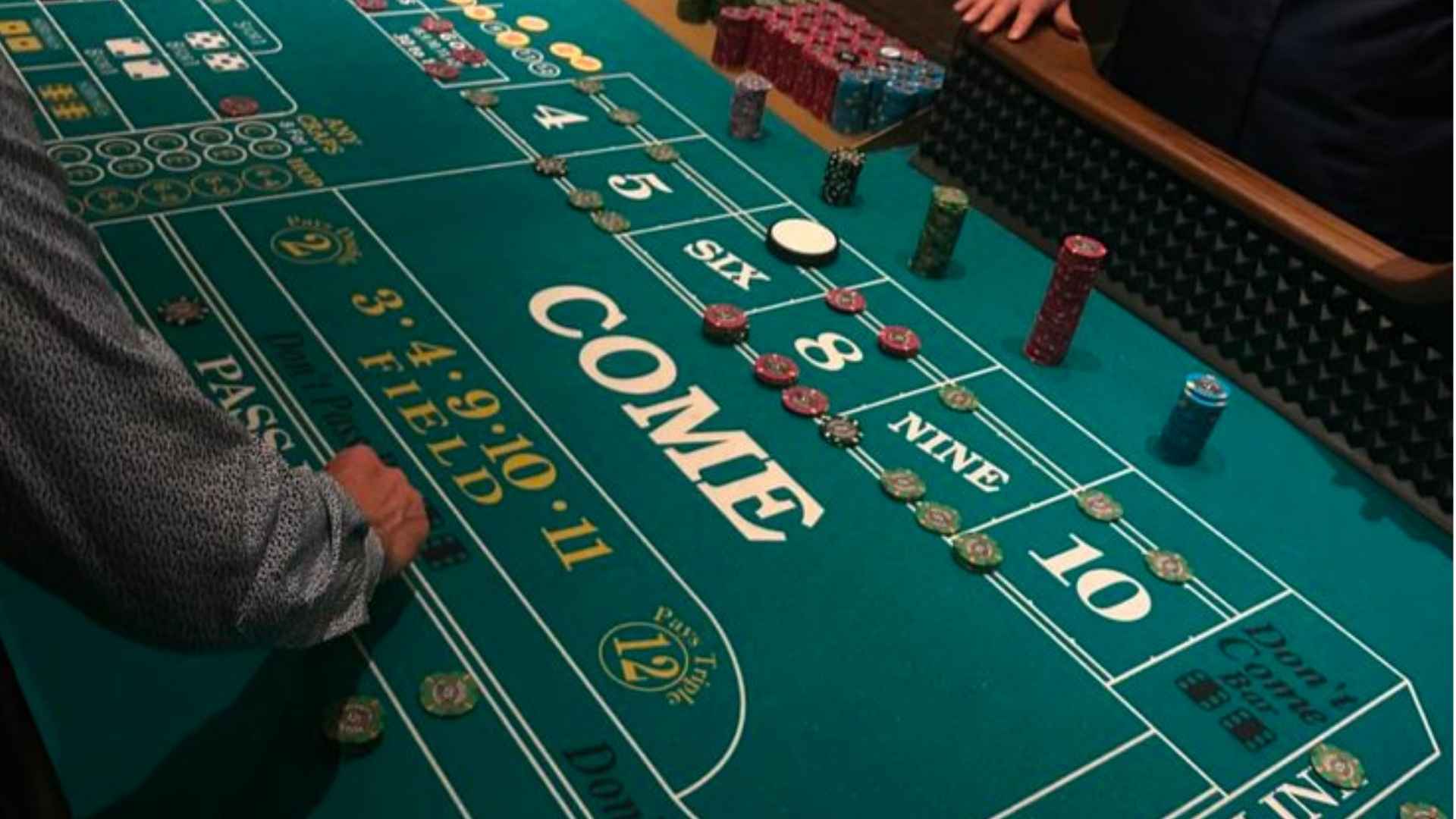
Recognizing visual and structural patterns before executing a move is one of the most effective ways for card game players to improve their overall win rates. Instead of reacting impulsively to the immediate options on the board, experienced strategists pause to analyze how cards interact across different columns. Developing this observational habit transforms routine decision-making into a proactive strategy focused on long-term board control.
Scanning the Board for Structural Opportunities
Before making any initial move, taking time to assess the full layout reveals critical bottlenecks and open avenues. Identifying long stacks of hidden cards early allows players to prioritize sequence transfers that unlock the maximum number of concealed resources. This initial scanning phase sets a clear baseline for evaluating which moves offer real strategic progress rather than minor cosmetic shifts.
A common mistake among beginners is immediately shifting every matching card without considering the surrounding board state. By observing how color alternates and suit distributions align across columns, players can identify natural paths for building multi-step sequences. Strategic foresight ensures that valuable landing spots remain open for critical higher-ranking cards when they eventually appear.
Evaluating Potential Chokepoints and Blockades
Pattern recognition also involves identifying potential traps before they disrupt your momentum during critical phases of play. High-ranking cards stuck without available empty spaces or matching low cards can quickly stall progress if not addressed early. By spotting these obstacles in advance, players can organize their tableau moves specifically to clear the necessary spaces.
Maintaining flexible options requires calculating how each card transfer impacts future movement across the entire board. Many gaming enthusiasts who enjoy analyzing strategic card movement and digital platforms regularly visit m88 มือถือ to explore interactive card games and test their tactical foresight. Recognizing which columns possess the highest mobility helps players determine the safest times to execute risky board maneuvers.
Tracking Sequences and Resource Distribution
Understanding the balance between exposed cards and reserve decks allows players to predict future card appearances with greater accuracy. Tracking which suits have already been heavily integrated into foundation piles gives clear hints about what remains hidden in remaining columns. This mental tally prevents players from needlessly blocking columns with cards that no longer serve a sequencing purpose.
Refining sequence tracking helps maintain smooth card flow between the active tableau and supplementary draw piles. When players anticipate incoming cards based on remaining suit counts, they make fewer defensive moves and maintain continuous momentum. Over time, practicing active observation turns pattern identification into a seamless habit that yields far more consistent results.
Building Long Term Tactical Habits
Mastering pattern recognition is a gradual process that relies on patience and deliberate practice rather than speed. Analyzing why a particular board state stalled provides valuable feedback for identifying similar layout traps in future games. By constantly evaluating cause and effect before touching a single card, players build a strong framework for analytical thinking.
Ultimately, high-level card play is driven by structured observation rather than pure luck or random choice. Cultivating a calm, observant approach before executing any action allows players to navigate complex deals with confidence and strategic precision. Applying these core visualization techniques elevates casual gameplay into a deeply rewarding mental exercise.