Casino Game With Best Odds: Understanding Casino Mathematics
Understanding the mathematical foundation of gaming floors allows players to evaluate risk and make informed choices. Every casino game operates on calculated statistical probabilities that guarantee a long-term profit margin for the operator, commonly known as the house edge. By recognizing which titles offer favorable odds, enthusiasts can significantly improve their overall gaming experience.
The Core Mechanics of House Edge and Probability
The house edge represents the mathematical advantage that a venue holds over players in any given game. This percentage reflects the expected average loss relative to the original wager placed over thousands of rounds. A lower house edge directly translates to higher potential returns for participants during short sessions.
Probability dictates the frequency of specific outcomes, guiding how payouts are structured across different table games. While luck determines short-term results, mathematical variance eventually pulls outcomes toward statistical averages. Recognizing this distinction helps players maintain realistic expectations when placing wagers.
Blackjack and the Impact of Optimal Strategy
Blackjack consistently offers some of the lowest house margins available on the casino floor, often dropping below one percent. Players influence outcomes directly through decisions like hitting, standing, or splitting pairs. Utilizing a mathematical basic strategy chart maximizes player equity on every hand dealt.
Game rules such as payout ratios for a natural blackjack and dealer restrictions on soft seventeen significantly alter the baseline percentage. Modern platforms, including dynamic hubs like m88 login alternatif, feature diverse variants that cater to different strategic preferences. Evaluating specific table rules ensures players select games with the most advantageous conditions.
Evaluating Odds in Craps and Baccarat
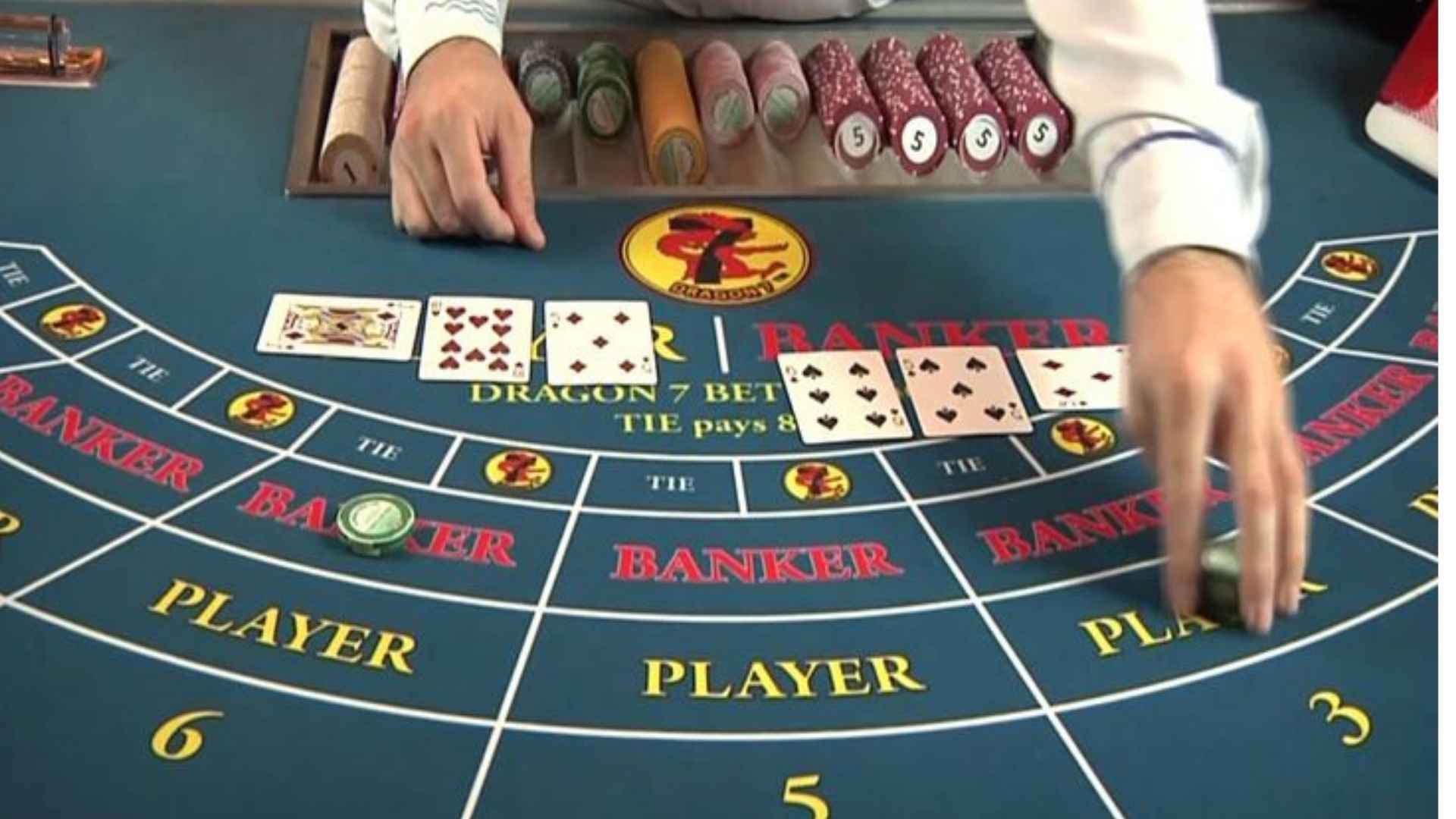
Baccarat provides straightforward betting choices with exceptionally low statistical advantages for the house. Wagering on the banker hand carries a house edge of roughly 1.06 percent, making it a reliable option for risk-averse participants. Avoiding high-payout tie bets is essential, as their house margin jumps drastically.
Craps presents a wide spectrum of wagering options ranging from highly favorable to mathematically disadvantageous. The pass line and don't pass bets feature minimal house edges around 1.40 percent, making them solid foundational plays. Combining these base options with odds bets further dilutes the overall venue advantage.
Comparing Table Games with Electronic Gaming Machines
Unlike strategic table options, slot machines rely entirely on random number generators with fixed return-to-player metrics. These payout percentages are set by manufacturers and operators, generally resulting in a higher house advantage. Consequently, electronic gaming units usually offer lower statistical odds compared to traditional card games.
Video poker stands as a notable exception among automated machines, offering high return rates when played with accurate strategy. Mastering optimal decision-making in video poker can minimize the house edge to levels comparable with blackjack. Choosing skill-based electronic options yields better statistical outcomes than pure chance games.
Practical Steps to Manage Bankroll Using Mathematics
Applying mathematical principles to bankroll management protects players from rapid losses caused by negative variance. Setting strict limits on bet sizes relative to total session funds prolongs gameplay and mitigates risk. Calculating optimal unit sizing keeps betting structured and controlled.
Ultimately, no mathematical system can completely eliminate the inherent house advantage in casino gaming. Enjoying these activities requires viewing them primarily as structured entertainment rather than financial investments. Understanding the underlying numbers simply empowers players to make smarter, more conscious decisions.